
Did You Know? Wind Is a Major Scaffold Design Factor
When planning a scaffold, it is easy to focus on its height, working platforms, access points and the loads it must support. However, there is another important factor that should never be overlooked: wind.
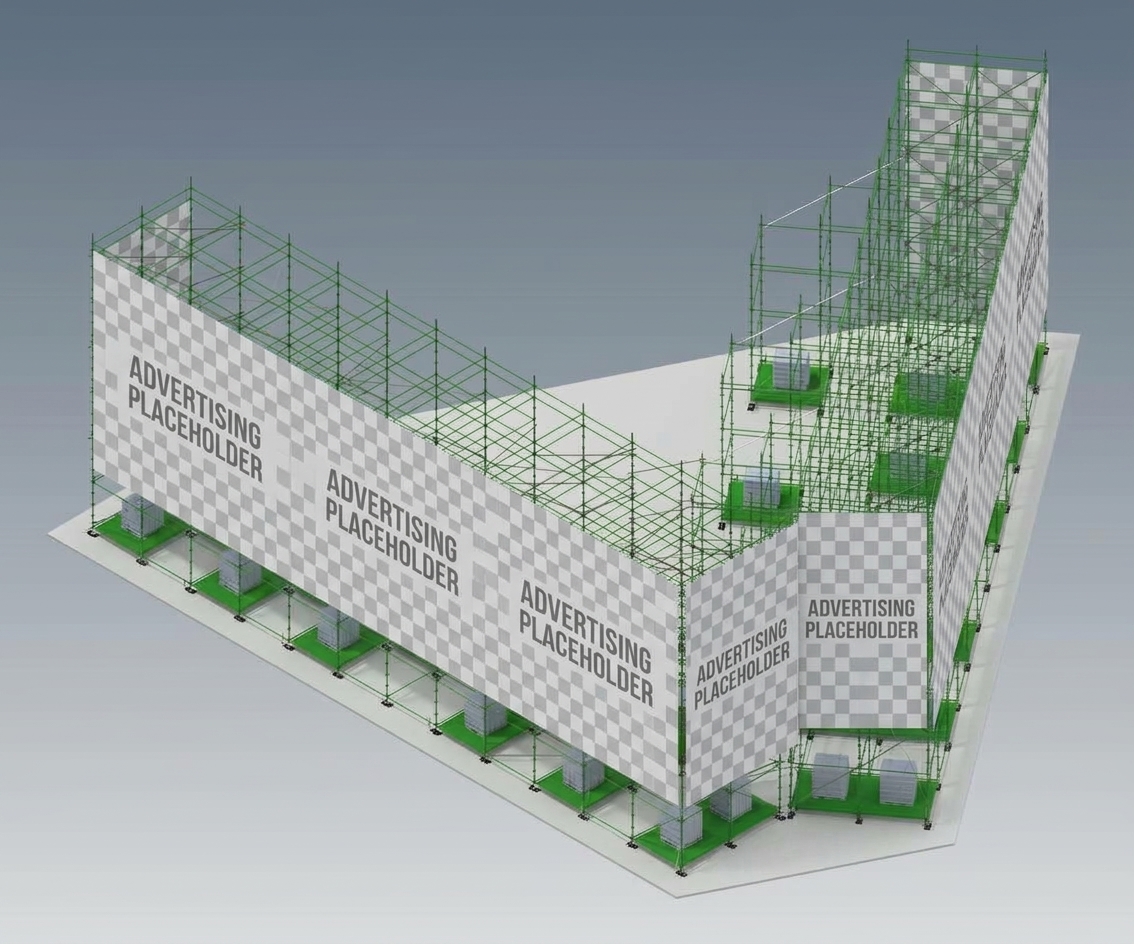
Wind can place significant forces on scaffold structures, particularly when they are erected in exposed locations, reach considerable heights or support sheeting, netting and other materials that increase their resistance to airflow.
Understanding how wind affects scaffold design helps contractors make better decisions before erection begins and reduces the risk of costly modifications or unsafe working conditions.
How Does Wind Affect a Scaffold?
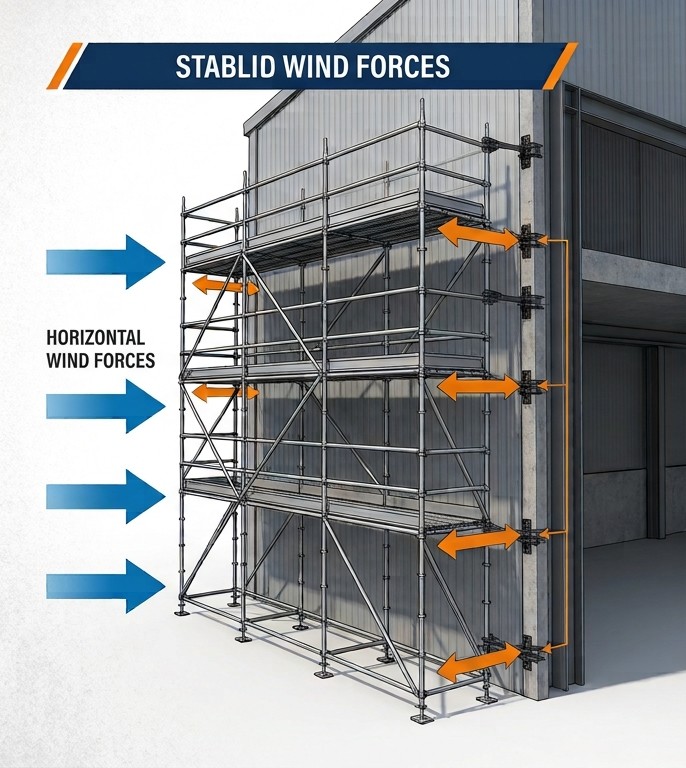
Scaffolds are temporary structures, but that does not make them immune to the forces of nature. Wind exerts pressure on exposed scaffold components, creating horizontal forces that must be transferred through the structure and into its supporting foundations or anchorage.
Depending on the design and site conditions, wind can contribute to:
-
Overturning forces: Wind can create moments that tend to tip the scaffold or its supporting structure.
-
Lateral movement: Horizontal forces can cause movement and place additional demands on bracing and connections.
-
Increased tie forces: Scaffold ties and their supporting structure may need to resist substantial forces generated by wind.
-
Additional loads from sheeting: Debris netting, shade cloth and sheeting can increase the area exposed to wind, changing the forces acting on the scaffold.
These effects are interconnected. A change to one part of a scaffold system can influence how loads are distributed throughout the structure.
Why Are Exposed Sites a Particular Concern?
Not every scaffold experiences the same wind conditions. The surrounding environment plays an important role in determining the loads that need to be considered during design.
Examples of potentially exposed locations include:
1. Coastal and open industrial sites
Scaffolds erected near the coast, on open terrain or within large industrial facilities may experience significant wind exposure. Nearby buildings and structures can influence airflow, but their presence should not automatically be assumed to provide adequate protection.
2. Rooftops and elevated structures
Scaffolds erected on rooftops, tall buildings or elevated industrial structures may experience different wind conditions from scaffolds at ground level. Height, surrounding terrain and local exposure all matter.
3. Sites with sheeting or netting
A scaffold that is suitable for an open configuration may not be suitable for the same configuration once sheeting, containment material or netting is installed. These materials can change the wind forces acting on the structure.
4. Temporary and changing site conditions
Construction sites change continuously. New structures, removed cladding, temporary enclosures and changes to scaffold configuration can affect exposure and loading conditions throughout a project.
Wind conditions and their effects must therefore be considered in the context of the actual site and intended scaffold configuration.
Common Wind-Related Scaffold Design Mistakes
Several mistakes can create problems during scaffold erection or use.
1. Treating all scaffold locations the same
Using the same assumptions for every project ignores differences in height, terrain, exposure and surrounding structures. A scaffold design should reflect the conditions at the intended installation site.
2. Adding sheeting after the design is complete
One of the most important mistakes is installing sheeting, shade cloth or containment netting without checking whether the original design accounts for it.
These additions can significantly alter wind loading. Before making such a change, the responsible design professional should assess its effect on the scaffold.
3. Overlooking ties and anchorage
Ties are not simply accessories that keep a scaffold close to a building. They form part of the system that transfers loads and helps maintain stability.
Tie locations, connection capacity, the supporting structure and the required anchorage must be considered in the design. Simply adding more ties does not automatically resolve every stability problem.
4. Making site changes without design review
Removing braces, changing tie positions, extending the scaffold or modifying its configuration can affect structural behaviour. Changes should be assessed by the appropriate competent design professional before implementation.
5. Ignoring changing weather conditions
A sound design does not remove the need for site management. Wind forecasts, site procedures, scaffold inspections and decisions about suspending work must all be considered in accordance with applicable requirements and the project's risk assessment.
What Should Be Considered During Scaffold Design?
A suitable scaffold design process starts by gathering the information needed to understand the project.
Important considerations include:
-
The scaffold's height, dimensions and intended configuration.
-
The location, terrain and degree of exposure.
-
Applicable wind-loading requirements and relevant design assumptions.
-
Whether sheeting, netting, signage or other wind-catching materials will be installed.
-
The scaffold system, bracing arrangement, ties and connections.
-
The capacity of the supporting structure and anchorage.
-
The intended period of use and any foreseeable changes to the scaffold.
-
Relevant site restrictions and operating procedures.
In South Africa, scaffold design should be undertaken with reference to the applicable requirements of SANS 10085, including the relevant edition and provisions for the particular project. Project-specific requirements and the need for engineering assessment or sign-off should be established as part of the design process.
No single rule of thumb can replace a suitable assessment of the actual scaffold and its site conditions.
Why Professional Scaffold Design Matters
Considering wind from the beginning helps identify potential problems before materials arrive on site. It also helps ensure that the scaffold configuration, bracing, ties and supporting arrangements are assessed as part of a coordinated design.
At Scaffold Design, we assist scaffolding contractors and project teams with scaffold design and drawing requirements for projects in South Africa. By understanding the site conditions and intended use, we can help establish the information required for an appropriate design.
Whether a project involves an exposed industrial site, an elevated access scaffold or a scaffold requiring sheeting, wind loading should be part of the conversation from the outset.
The key takeaway: Wind is not an afterthought. It is a design consideration that can influence the stability, configuration and anchorage of a scaffold.
Planning a scaffold project? Contact Scaffold Design to discuss your drawing and design requirements.
Need scaffold design support? Fill in the contact form Below
Recent articles

Scaffold Design Process Explained
October 6, 2026

Case Study: 32 m FTC Stack Scaffold Redesign
September 29, 2026
Why Scaffold Tie Patterns Matter
September 22, 2026
Send us a message
We'll get back to you within one working day.
info@scaffolddesign.co.za
PHONE
+27 76 763-9791
BUSIESS HOURS
Mon-Fri: 07:30 - 17:00
SERVICE AREA
Nationwide, South Africa